Authority Hacker Shuts Down – The Death of Affiliate Blogs & How to Adapt.
Affiliate MarketingAffiliate marketing is a performance-based online marketing strategy where businesses (often called merchants or advertisers) reward individual marketers (known as affiliates or publishers) for driving traffic, leads, or sales to the business’s products or services. In this model, affiliates earn a commission for each agreed-upon action completed by a referred customer. Key aspects of affiliate […] is Changing Dramatically: Learn How to Adapt and Succeed in 2025
Affiliate marketing is undergoing a massive transformation, and today’s announcement from Authority Hacker only reinforces this reality. As an affiliate marketer with over 20 years of experience, I’ve seen plenty of changes in this industry, but the current shift is unlike anything we’ve encountered before.
In this post, we’ll dive into what’s happening, why it’s happening, and how to future-proof your affiliate marketing business. These insights are based on my personal observations and years of navigating this ever-evolving field.
What’s Happening in Affiliate Marketing?
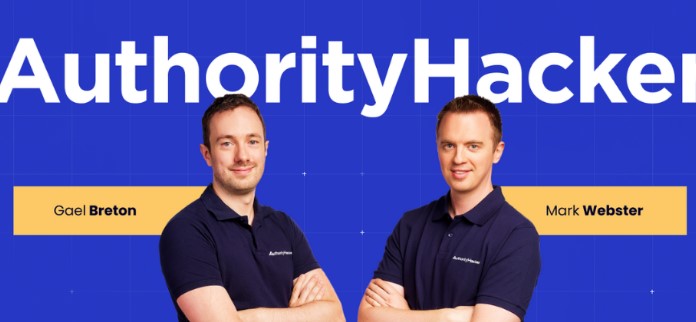
The recent email from Authority Hacker announced they are discontinuing their popular affiliate products, TASS and AH Pro, as well as their affiliate programA partnership between advertisers and affiliates, where affiliates are compensated for driving specific actions such as clicks, sign-ups, or sales. These programs define the terms of engagement and compensation structure for marketing efforts.. Here’s a key excerpt:
“The Google Helpful Content Update, combined with dramatic changes in how search results are displayed, has fundamentally altered the viability of affiliate marketing for most website owners.”
Authority Hacker, known for their expertise in SEO, has been a go-to resource for building and ranking authority websites. For them to make this decision signals just how significant the changes in the SEO-driven affiliate marketing landscape are.
The Core Problem: Google’s Evolving Search Ecosystem
If you’ve been relying solely on search engine optimizationTechniques used to improve search engine rankings and increase organic traffic. (SEO) to drive trafficThis is the inflow of visitors to a page. to your affiliate sites, you’ve likely felt the sting of these changes:
- Google’s Helpful Content Update: Designed to prioritize “helpful” content, this update penalizes websites that exist primarily to rank for affiliate keywords without providing real value to users.
- Search Result Layouts: Organic rankings are being pushed further down as Google incorporates more ads, featured snippets, and its own content widgets.
For small affiliate websites, this creates a landscape where ranking for high-converting keywords becomes nearly impossible. Let’s break this down further:
Organic Rankings Are No Longer Enough
If you search for terms like “how to make money online,” the first page of results is now dominated by:
- Sponsored Ads: Paid results that take up prime real estate.
- Google Features: Snippets, FAQs, and carousels designed to keep users on Google’s platform.
- Massive Websites: Authority sites like NerdWallet, Reddit, or major e-commerce platforms monopolize the remaining organic spots.
The days of building thin-content affiliate sites and ranking them quickly for easy commissions are over.
Affiliate Marketing Is NOT Dead
Let’s get one thing straight: affiliate marketing is far from dead. What’s changing is how we drive traffic and build sustainable businesses.
In the past, many affiliates relied on SEO-heavy strategies like:
- Building review websites optimized for specific products.
- Creating thin, keywordThis is the term or phrase that users utilize to search for anything on the internet. This can also be the term focused on by SEO experts to drive organic traffic to their website.-stuffed content to rank for search terms.
These strategies worked well when search engines were less sophisticated.
But today, affiliates who fail to adapt to the new rules will struggle.
What Does the Future of Affiliate Marketing Look Like?
The key to thriving in this new landscape is diversification—both in traffic sources and revenueTotal earnings from promoting an offer, regardless of profitability. strategies. Here’s what you need to focus on moving forward:
1. Embrace Multi-Channel Marketing
Relying solely on Google is a recipe for disaster. Instead, adopt a multi-channel strategy that leverages several traffic sources:
- Paid Ads: Platforms like Facebook, TikTok, Google, and YouTube offer enormous potential for targeted, scalable traffic.
- Social Media MarketingThe use of social media platforms to connect with an audience, build a brand, increase sales, and drive website traffic.: Build a presence on Instagram, TikTok, or Pinterest to engage with audiences and drive traffic organically.
- Email MarketingThe use of email to promote products or services while developing relationships with potential customers or clients.: Use leadThis is a type of conversion wherein the user only needs to submit specific information for the conversion to be considered. Businesses use such leads to get in touch with potential customers. magnets to grow your email list and build a reliable traffic source you own.
- Video Content: YouTube is a goldmine for affiliate marketers. Videos build trust and convert viewers into buyers.
2. Create REAL Value
Google’s updates favor websites that genuinely solve problems and deliver value. Here’s how to stand out:
- Focus on user intent: Answer the questions users are really asking.
- Build content that supports your nicheA specialized segment of the market for a particular kind of product or service, often catering to a specific audience or solving a particular problem.’s needs, not just your affiliate links.
- Consider creating in-depth guides, tutorials, or case studies that provide actionable value.
3. Invest in Paid Traffic
For faster, more reliable results, paid trafficVisitors who come to a website as a result of paid advertising efforts, such as PPC campaigns. is essential. Platforms like TikTok Ads, Google Search Ads, and Facebook Ads allow you to reach your audience without waiting months for organic rankings.
Remember, successful paid campaigns rely on:
- A well-optimized landing page.
- Strong ad creatives that grab attention.
- A clear call to action that converts.
4. Focus on Building an Asset
Stop thinking of your affiliate sites as disposable. Instead, build a brand or an asset that provides long-term value:
- Create websites that resemble real e-commerce stores or businesses.
- Build an audience through email marketing, SMS, or push notifications.
- Leverage your brand to expand into complementary revenue streams (e.g., creating your own products).
Lessons from Authority Hacker’s Decision
Authority Hacker’s choice to pause their affiliate program highlights an important reality: not all strategies are evergreen. As marketers, we need to adapt constantly.
Their decision demonstrates the importance of:
- Being honest about what’s working: If a model stops working, pivot instead of clinging to outdated methods.
- Building resilience into your strategy: Multi-channel marketingThe practice of using multiple channels (such as email, social media, and content marketing) to reach and engage with customers., paid traffic, and audience ownership are your safeguards against future shifts.
How Powerhouse Affiliate Prepares You for Success
At Powerhouse Affiliate, we’ve been teaching affiliates to embrace multi-channel strategies for years. Why? Because we know that relying on one platform is too risky. Our training covers everything you need to build a sustainable affiliate business:
- Paid traffic campaigns on Google, Facebook, TikTok, and native platforms.
- Strategies for email list growth and long-term monetization.
- Video marketingThis is a marketing technique that uses video as content. It is one of the fastest-growing marketing tactics nowadays, especially since more and more users prefer watching videos over reading texts. The best platforms for this type of marketing are Youtube, Facebook, and Instagram. to dominate platforms like YouTube.
Our goal is to help affiliates build businesses that survive and thrive, no matter how the landscape evolves.
Final Thoughts: Affiliate Marketing in 2024 and Beyond
Affiliate marketing isn’t dead—it’s just evolving. The strategies that worked a few years ago are no longer viable, but that doesn’t mean the opportunities are gone. By embracing new channels, investing in paid traffic, and focusing on delivering value, you can build an affiliate business that stands the test of time.
If you’re ready to future-proof your business and thrive in this changing landscape, I encourage you to explore multi-channel strategies and avoid relying solely on organic SEO.
💬 What are your thoughts on the future of affiliate marketing? Drop your insights in the comments below! Let’s discuss how we can all adapt to these changes together.
If you’re serious about affiliate success, check out our free training at PowerhouseAffiliate.com and join our community of thriving marketers. Let’s build the future together! 🚀